 MyChart




We offer the FDA-approved CAR T-cell therapy Kymriah, as well as a clinical trial testing Kymriah followed by another CAR T-cell therapy. Both are for patients with acute lymphoblastic leukemia (ALL) that either relapsed (came back after going into remission) or never went into remission after other leukemia treatments were used (refractory).

Notice of West building lobby closure at Lucile Packard Children’s Hospital Stanford
Cell and Gene Therapies at Stanford Medicine Children’s Health
Cell and gene therapies are a source of hope for many patients with genetic conditions, cancers, and immune diseases. Cell and gene therapy is a broad term to describe treatments that change the course of a disease by targeting the genes that cause it or the cells that can help fight it. For example, some cell and gene therapies replace faulty genes with working copies, helping cells do their intended job in the body. Other therapies give cells the power to do new jobs, like attack cancer.
There are many different cell and gene therapies for many different conditions. Gene therapy can be applied directly to diseased cells that make up any organ, to blood-forming stem cells, or to the immune system. To learn more about cell and gene therapy, please visit the American Society of Gene and Cell Therapy.
If you are considering cell or gene therapy, having an experienced team in your corner makes all the difference in bridging the gap between promise and results. Our gene therapy team brings together doctors who have significant experience treating patients with gene therapy and deep expertise in their specialties, so we understand the condition being treated and how to cure it. At Stanford, we’ll work with you to understand if gene therapy is the right treatment option for you or your child, and we’ll be by your side through the entire process.
We have one of the longest-running cell and gene therapy programs in the U.S., with more than 20 years of experience developing therapies in the lab and successfully and safely bringing them to patients. In several cases, we offer unique gene therapies only available at Stanford. As a result, we also administer more cell and gene therapies than most other children’s hospitals.
Cell and Gene Therapies by Condition
We offer a clinical trial testing whether viral specific T cells are effective against adenovirus, cytomegalovirus, and Epstein-Barr virus in patients who have previously received any type of allogeneic stem cell transplant or solid organ transplant, or have compromised immunity.
We offer the FDA-approved gene therapies Zynteglo and Casgevy to treat patients with beta-thalassemia who require regular blood transfusions.
We offer two only-at-Stanford clinical trials testing CAR T-cell therapy to treat different types of brain and spinal cord tumors. The first tests a CAR T-cell therapy called DIPG in patients with diffuse intrinsic pontine glioma (DIPG) and spinal diffuse midline glioma (DMG). Early results show improved survival and quality of life for patients with these tumors, which are among the deadliest of cancers. The second clinical trial tests a CAR T-cell therapy called GPC2 in patients with relapsed and refractory medulloblastoma or other central nervous system embryonal tumors. Both trials are a result of years of research conducted at Stanford.
We offer the FDA-approved gene therapy Skysona to treat patients with cerebral adrenoleukodystrophy (c-ALD). Stanford was one of a handful of sites in the U.S. to participate in clinical trials that led to Skysona receiving FDA approval.
We offer a clinical trial testing gene therapy in patients with Diamond-Blackfan anemia.
We offer the FDA-approved gene therapy Elevidys to treat Duchenne muscular dystrophy.
We offer FDA-approved gene therapy skin grafts called Zevaskyn to treat epidermolysis bullosa. This treatment is a result of decades of research conducted at Stanford, and we were the first hospital to treat patients with this new therapy.
We offer the FDA-approved mesenchymal stromal cell (MSC) therapy Ryoncil to treat patients with graft-versus-host-disease that has failed to respond to standard treatments.
We offer the FDA-approved gene therapy Hemgenix for patients with hemophilia B.
We are currently enrolling patients for a clinical trial testing gene therapy to treat IPEX syndrome. This trial is only available at Stanford and is built on decades of research conducted here.
We offer the FDA-approved gene therapy Lenmeldy for people with early-onset metachromatic leukodystrophy.
We are currently enrolling patients for a clinical trial testing a gene therapy called DFT383 in patients age 2–5 with nephropathic cystinosis. We are the only hospital in Northern California to offer this clinical trial.
We offer three gene therapy options for patients with sickle cell disease. We offer Lyfgenia and Casgevy, FDA-approved gene therapies. We also offer a clinical trial testing a gene therapy called nula-cel.
We offer a unique-to-Stanford clinical trial testing a CAR T-cell therapy called B7-H3 to treat solid tumors, including neuroblastoma, Wilms tumor, osteosarcoma, Ewing sarcoma, and soft tissue sarcomas. This trial is based on Stanford research.
We offer three FDA-approved gene therapies to control spinal muscular atrophy: Zolgensma, Spinraza, and Itvisma. Stanford participated in clinical trials for these therapies.
We offer a clinical trial testing whether CAR T-cell therapy can safely and effectively improve lupus symptoms in patients who are at least 16 years old. Stanford is the only hospital in Northern California to offer this clinical trial.
Patient and Family Resources
We understand that navigating the cell and gene therapy treatment process can feel overwhelming. We are here to partner with your family to determine the best treatment option and reduce anxiety over the logistics of receiving care at our center. We seek to empower patients and families as critical, confident, and supported care team members at every step of the way.
For patients with concerns about the expense of therapy, we offer a wide array of financial counseling and financial assistance services.
For patients traveling from more than 50 miles away, we can help find lodging. Together with our partners, we offer many other services, including meals.
We also offer modern, state-of-the-art facilities to help our patients recover in an environment that promotes healing, gives families privacy, and lets kids be kids. For example, check out a virtual tour of our Infusion Center, where many cell and gene therapy patients receive care.
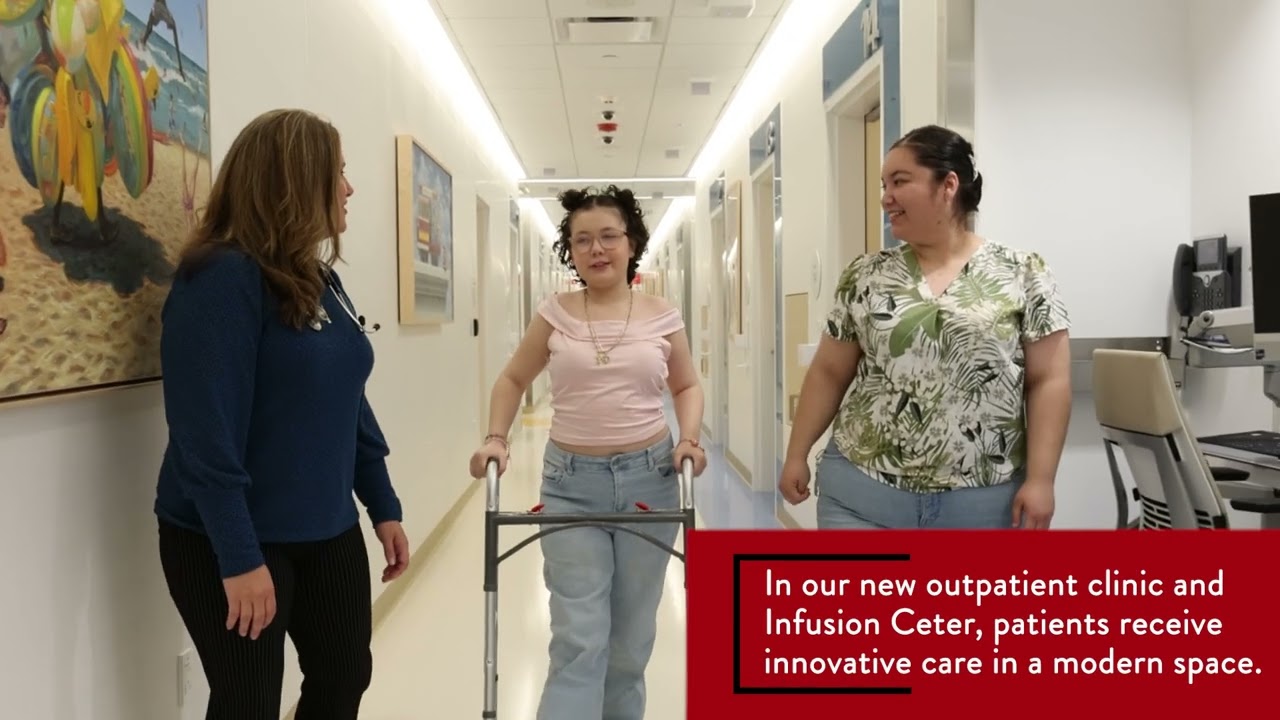

Bass Center Clinic and Infusion Center
Our outpatient clinic and Infusion Center at Stanford Children's Bass Center for Childhood Cancer and Blood Diseases is the perfect place to heal. The bright, modern space features all-private infusion rooms and kid-friendly touches.
Cell and Gene Therapy Patient Stories
Cell and Gene Therapy Research—Developing More Cures
Our doctors and researchers have studied cell and gene therapies for more than 20 years and worked tirelessly to bring these advances to our patients. And they’re not slowing down. If you don’t see your or your child’s condition listed above, we may still have research underway at Stanford that might be relevant to you. Please see this list of gene therapy clinical trials.
In addition to our many cell and gene therapy clinical trials, we are developing future cell and gene therapies in our labs.
To learn more about cell and gene therapy research at Stanford, please visit:
- The Center for Definitive and Curative Medicine
- Stanford Alpha Clinic
- Stanford Medicine Division of Human Gene Therapy
- Stanford Neuro IGNITE (Innovative GeNetic Investigation and Treatment Evaluation) Center
Related Links

Connect with us:
Download our App: